




Portal STEM Education

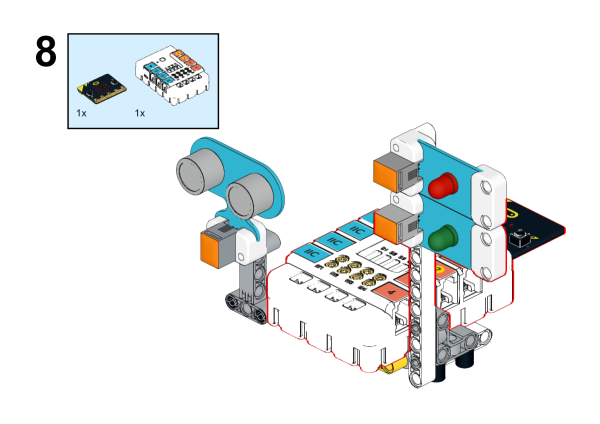
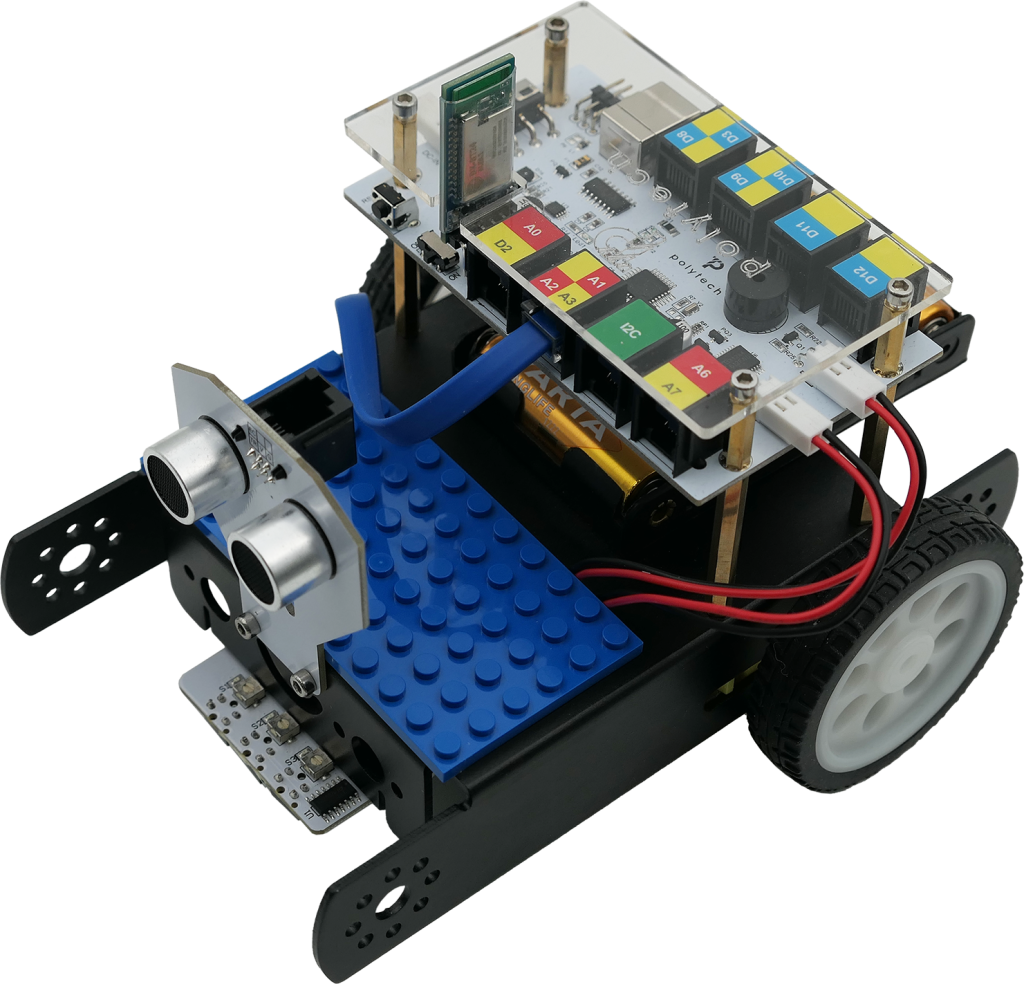
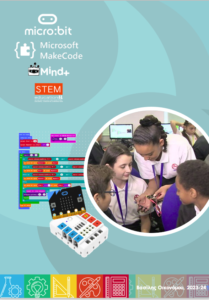
At the moment there is a focus on the use of the Ministry’s equipment. To this end, cables are being created with which sensors can work with as many boards as possible, the STEM Extension with which we can program S1 & S2 with Mind+, Lego type building materials, Supporting materials with related lessons and books and suggestions. Seminars have been started to make use of the equipment available in schools.

The preparation of the Panhellenic Competition is in progress, for which the registration form for teams, information, the webinars for teachers’ preparation, etc. can be found here.

Skills Workshops
Engineering
Programming
Physical Science
Design & Technology
1821
Equipment (Greek Ministry)
Books
Best Practices
Tips & Extensions

We can design our own knowledge and skills path.

Starting from what I am and where I want to go, we end up going through similar educational material, which is available in the [Repository] and in the [Repository structure] that is organised to facilitate this journey.

Good navigation.

Micro-Scientists (EN)

About Course

9 Interactive and fun STEAM experiments

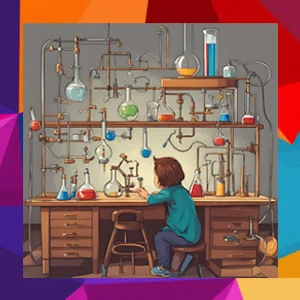
The “Micro-Scientists – STEAM and Science Experiments” is an interactive and educational experience for kindergarten children, designed to introduce them to the world of science through hands-on and fun activities. The main purpose of the program is to foster children’s natural curiosity and help them discover basic scientific principles through experiments and activities that focus on STEAM (Science, Technology, Engineering, Arts and Mathematics) areas. Children learn how to observe, experiment and discover the world around them through a range of fun and educational activities.

The programme includes a range of activities that keep children interested and help them understand the importance of science and technology in their lives.

Experiments and crafts: Children participate in simple experiments and crafts that allow them to discover basic scientific principles. These activities include magnetism experiments where children explore the properties of magnets, chemical reactions with simple materials such as baking soda and vinegar, and constructions such as their first electrical circuit.

Natural phenomenon activities: Children explore the water cycle, observing the process of evaporation and condensation, and experiment with light and shadows, learning how light travels and how shadows are created. 

Creative experiments:Children have the opportunity to combine science and art by painting with a pendulum and creating bubbles, learning about the properties of liquids and surface tension.They make snow and discover the properties of non-fluids and their application to creativity.

Density experiments:Children experiment with layered liquids, using liquids of different densities to create distinct layers in a container, understanding the concept of density.

Discussion and participation: children discuss and share their views on the experiments and the physical phenomena they explored.
They are encouraged to think about the applications of this knowledge in everyday life and to develop their imagination.


Show More

What Will You Learn?

  • The aim of the project is to create an interesting and fun experience for children, promoting their awareness of science and technology, as well as developing critical thinking and creativity. Through these activities, children discover the exciting world of science and develop their skills in observation, experimentation and creation.
  • Developing curiosity: Encourage students' natural curiosity through fun and interactive experiments that explore the world around them.
  • Cultivating Critical Thinking: Enhancing students' ability to observe, think and draw conclusions from the experiments they conduct.
  • Familiarisation with Basic Scientific Principles: Provide a basic understanding of the principles of physics, chemistry and other natural sciences through hands-on activities.
  • Development of Motor Skills: improving fine motor skills through the use of tools and materials during experiments.
  • Cultivation of creativity: Encourage creativity and imagination through experiments that combine science and art, such as pendulum painting.

Student Ratings & Reviews

No Review Yet
No Review Yet
wpChatIcon
wpChatIcon

Want to receive push notifications for all major on-site activities?