

Portal STEM Education

At the moment there is a focus on the use of the Ministry’s equipment. To this end, cables are being created with which sensors can work with as many boards as possible, the STEM Extension with which we can program S1 & S2 with Mind+, Lego type building materials, Supporting materials with related lessons and books and suggestions. Seminars have been started to make use of the equipment available in schools.

The preparation of the Panhellenic Competition is in progress, for which the registration form for teams, information, the webinars for teachers’ preparation, etc. can be found here.

Skills Workshops
Engineering
Programming
Physical Science
Design & Technology
1821
Equipment (Greek Ministry)
Books
Best Practices
Tips & Extensions

We can design our own knowledge and skills path.

Starting from what I am and where I want to go, we end up going through similar educational material, which is available in the [Repository] and in the [Repository structure] that is organised to facilitate this journey.

Good navigation.

The Doppler Effect [EN]

Wishlist Share
Share Course
Page Link
Share On Social Media

About Course

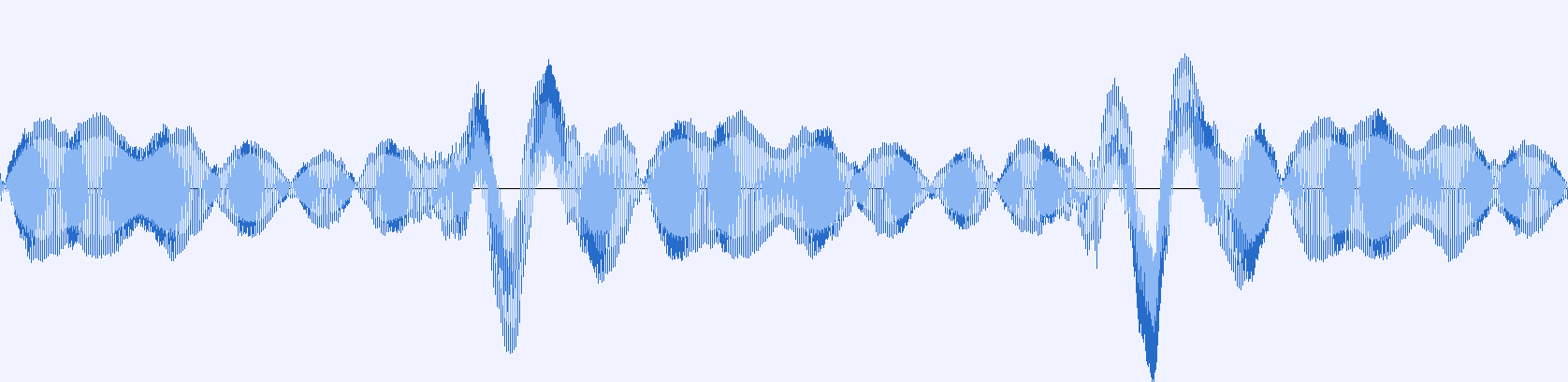
The purpose of this activity is to observe the Doppler effect. The observation is done through the Audacity software, where we are given the possibility to observe the sound waveform and to perform various analyses on the sound signals we receive. At the same time, this activity is a good introduction to the Audacity software and the possibilities it offers.

What Will You Learn?

  • Understanding the Doppler Effect: They will observe firsthand how the frequency of a sound shifts when the source of the sound is moving relative to the observer. This demonstrates a fundamental concept in wave physics, helping them connect everyday experiences (like hearing a passing siren) with scientific principles.
  • Practical Use of Technology: Working with a Doppler effect unit introduces students to modern tools and techniques in scientific research, fostering their technical literacy and interest in STEM fields.
  • Application of Scientific Methods, Data Analysis and Critical Thinking: By using a microphone and Audacity, students learn how to record and analyze sound while gaining valuable experience in designing experiments, collecting data, and drawing conclusions based on their observations. Moreover, Audacity enables them to analyze frequency shifts in the sound recording, which helps develop their skills in comparing experimental results with theoretical expectations.

Course Content

Observing the Doppler Effect

  • Goal
  • Materials
  • Theory
  • Observing the Doppler Effect using Audacity

Student Ratings & Reviews

No Review Yet
No Review Yet
wpChatIcon
wpChatIcon

Want to receive push notifications for all major on-site activities?